Uranium Drilling in Region 7 Without an Impact Assessment: Guyana’s EPA Put the Cart Before the Horse
Guyana's EPA exempted a Canadian firm's uranium exploration in Region 7 from a full impact assessment. Indigenous communities want the permit revoked.
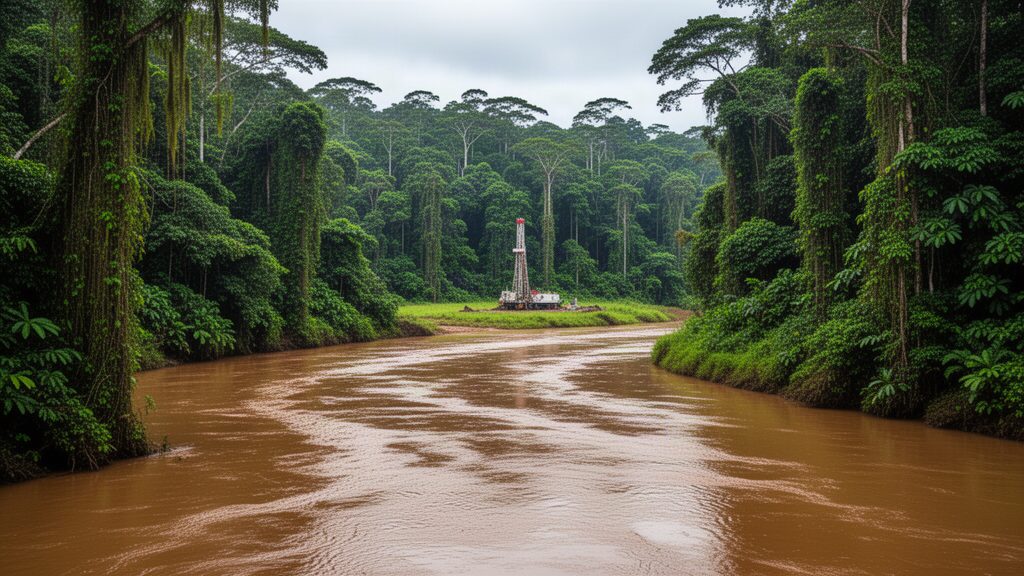
Guyana’s Environmental Protection Agency has let a foreign company drill for uranium in Indigenous territory without first assessing what that could do to the people and rivers around it. The Amerindian communities and activists who appealed that decision this week are not obstructing development. They are asking the regulator to do its job.
What the EPA Approved
On August 26 the EPA exempted Lia Guyana Inc, the local subsidiary of Canadian firm U92 Energy Corporation, from a full Environmental and Social Impact Assessment for uranium exploration at Kurupung in Region 7, Cuyuni-Mazaruni. The company plans to drill 55 to 65 holes in a 5,000-metre campaign over three years.
At Monday’s Environmental Assessment Board hearing in Georgetown, appeals were heard from the Greenheart Movement, Danuta Radzik and the Isseneru Village Group. They want the permit revoked and a full assessment done, including free, prior and informed consent from Indigenous communities, before any exploration or production goes ahead. Communities represented included Philippi, Jawalla, Kamarang, Waramadong and Isseneru.
The Agency’s Defence
The EPA said its decision rested on the site’s history, current land use, the nature of the work, the company’s mitigation measures and peer-reviewed research suggesting the impacts would be localised and short-term. Senior Environmental Officer Avanelle Jackson said the agency relied on the International Atomic Energy Agency’s position that it does not propose a blanket requirement for a full impact assessment at the exploration stage. EPA Head of Mining Colis Primo said the agency had not asked for an environmental management plan because the company had submitted one anyway.
U92 chief executive Adam Clode said the plan was built around Guyana’s environmental and radiation safety laws and IAEA, World Health Organization and United Nations standards.
A Plan Built on Nothing
Radzik put the problem in a single phrase: “This is putting the cart before the horse.” An environmental management plan is meant to rest on the findings of an assessment. Without the assessment, there is nothing to measure the plan against. Worse, she said, the plan was not on the EPA’s website and had not been shared with Indigenous communities or the public, so no one outside the agency and the company could check whether drilling waste, fuel, drilling fluids, uranium-bearing core and radiation risks would actually be contained.
Laura George of the Greenheart Movement said the land near the concession matters for Indigenous culture, hunting and fishing, and that the wider area is already polluted by mercury from gold mining. That last point cuts against the EPA, not for it. A region already carrying a pollution burden is precisely where the cumulative effects of a new extractive activity need the most scrutiny, not the least.
The reported reaction of some officials at the hearing, who appeared amused or unconcerned as Amerindian speakers made their case, says everything about how this process has treated the people who live there.
The Environmental Assessment Board should send the permit back. Guyana can decide whether it wants a uranium industry. It should decide with the evidence on the table and the affected communities at it, not after the drills are already turning.