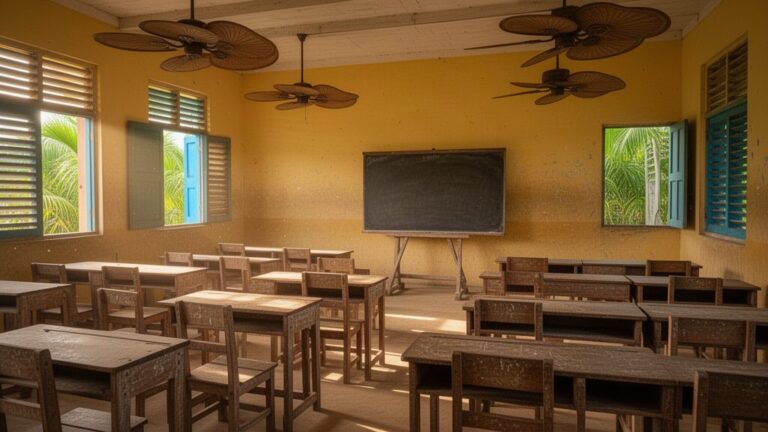
91 Child Sexual Offence Files in One Region, and Berbice Teachers Are ‘Very Hesitant’ to Give Statements
Of 517 Region Six files sent to Guyana's DPP this year, 91 involve sexual offences against school-aged children. Officials say teachers are reluctant to give statements.
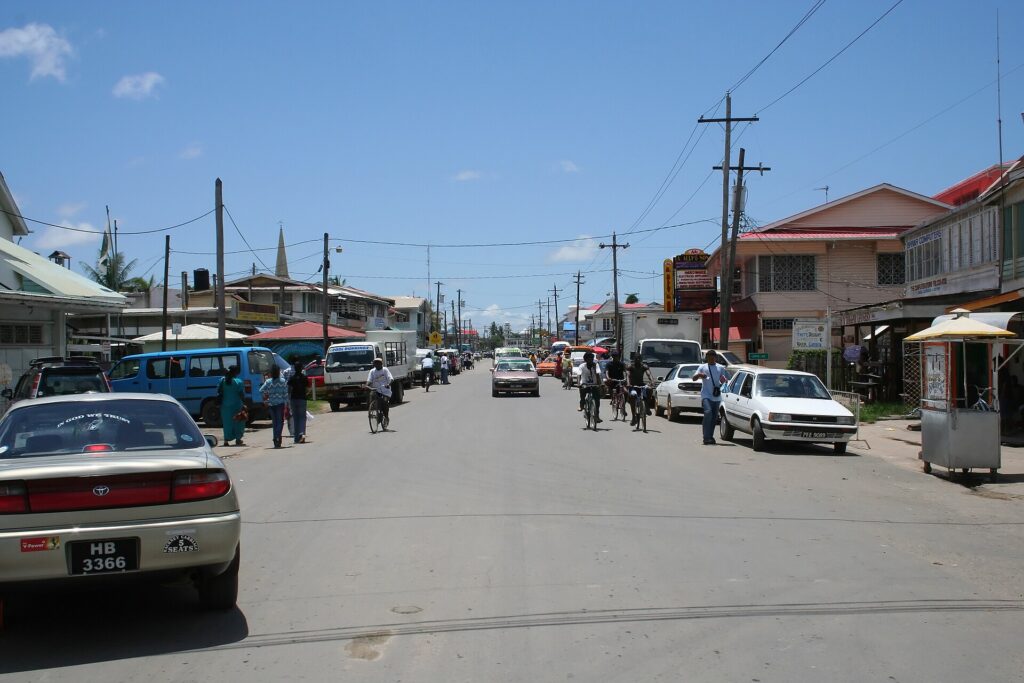
Ninety-one files involving sexual offences against school-aged children have gone from Region Six to the Director of Public Prosecutions in under eleven months. That number alone should stop Guyana in its tracks. What makes it worse is the admission, from education officials and police in Berbice, that the adults best placed to help, the teachers, are often reluctant to tell investigators what they know.
The figures
Between January and November 2026, 517 police files from East Berbice-Corentyne were sent to the DPP’s Chambers for legal advice. Ninety-one concerned sexual offences against children of school age. That is roughly one in six of everything the region sent up for advice, and the reporting gives no breakdown of the rest.
The figures emerged during a public awareness session the DPP’s Office held on Friday, November 20, at two Berbice secondary schools. Communications and Outreach Officer Liz Rahaman and State Counsel Rodley Mathoo walked students through the Sexual Offences Act and the Juvenile Justice Act, joined by two officers from the Gender-Based Violence Unit at Central Police Station, New Amsterdam, who gave students their phone numbers. The team covered relationships between teenagers, students drawn into sexual relations with adults, sometimes for money, and teachers who groom or coerce students with promises.
Rahaman told students it is ‘absolutely wrong and against the law for adults to exploit them in any way’, including inappropriate touching, and urged them to report to a trusted adult, the police or the DPP’s Office on 226-0719.
The silence problem
The most alarming lines came from the adults. Education officials and police said teenage pregnancies are common in schools across the region, and one said ‘almost every week there is a rape.’ They also said that once cases are reported and investigated, teachers are ‘very hesitant’ to give statements.
Mathoo’s answer was blunt: refusing to cooperate with the police is unlawful and could lead to charges. Teachers were urged to raise the issue at staff meetings.
That is the correct warning, but it should not have to come from a visiting state counsel. When a teacher will not give a statement about a child, either the teacher fears the consequences or the system has failed to make protecting the child the obvious duty. Both are the Ministry of Education’s problem.
What the ministry should do
The outreach was worthwhile, and the students reportedly asked plenty of questions. But a talk at two schools is a gesture, not a policy. Region Six needs mandatory reporting rules that every teacher signs, training that explains exactly what happens after a report, protection for staff who give statements, and swift discipline for any who stay quiet. Where teachers themselves are accused of grooming, the ministry should say publicly how such cases are handled while investigations run.
It should also publish the outcome of these files. The public is told 91 were sent for advice. How many led to charges, how many to trials, how many to convictions? Children who are told to speak up deserve to see that speaking up leads somewhere.
One in six files involving a child is not a statistic to be noted at a school assembly and forgotten. It is a regional emergency, and the adults in charge should start treating it like one.